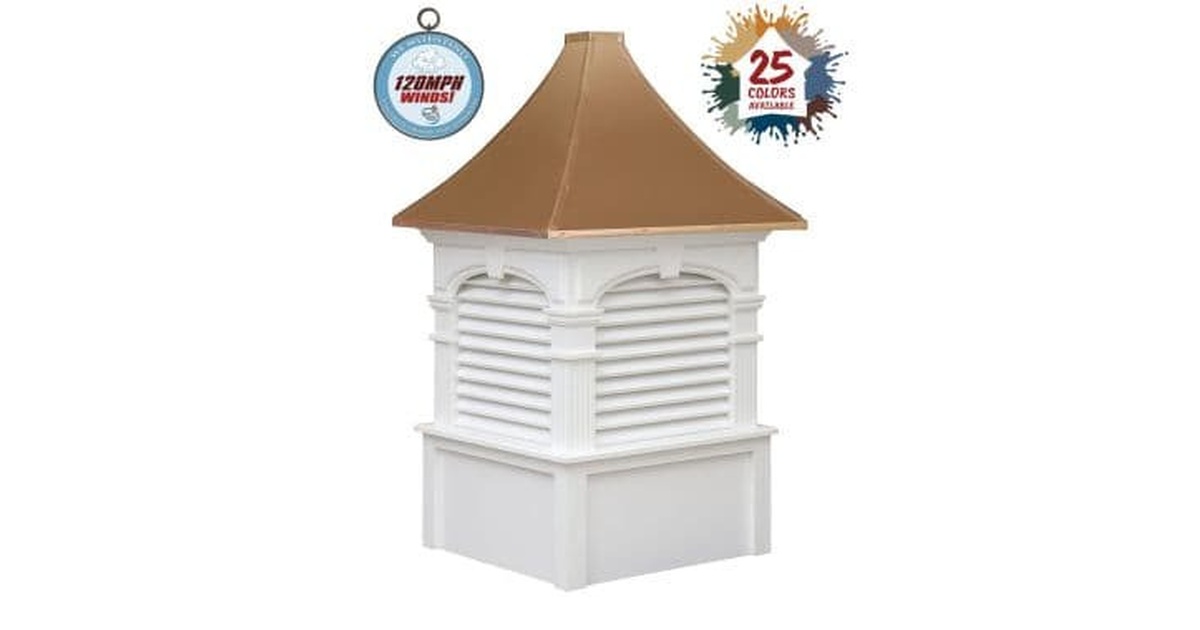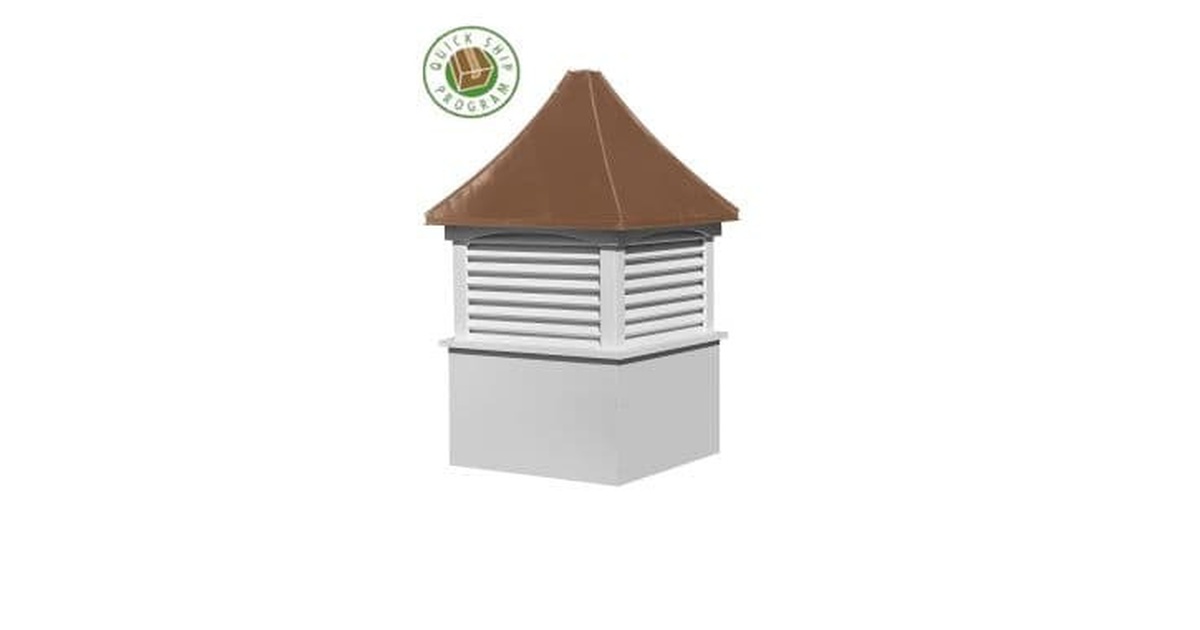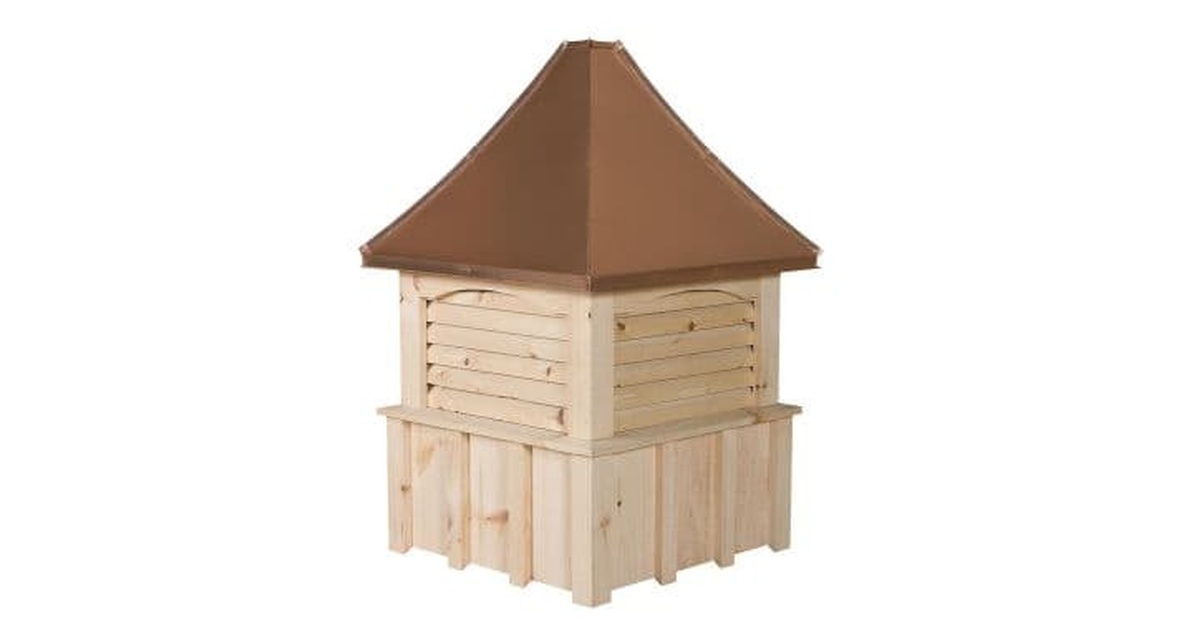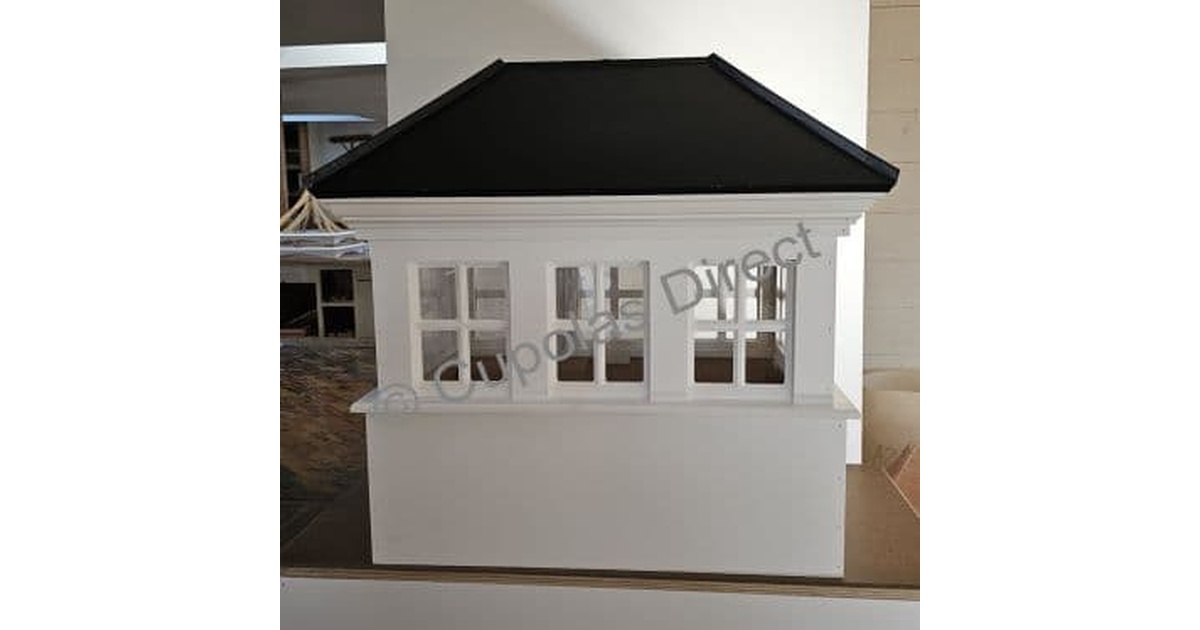
A rectangular cupola can complement a long building when its shape follows the roofline, its placement works with the building's layout, and its proportions suit the structure's overall height and length.
For barns, carriage houses, garages, and commercial buildings, the key is choosing a design that looks balanced rather than too large, too small, or out of place.
Before selecting a rectangular cupola, consider the building's roof shape, overall proportions, and how the cupola will appear from different viewing angles. These details can help you choose a style that feels like a natural part of the building's architecture.
Why Consider a Rectangular Cupola for a Long Roof?
A long roof naturally draws the eye from one end of the building to the other. A rectangular cupola can complement that horizontal appearance because its body has a longer and a shorter side.
That doesn't mean every long building needs one.
A traditional barn with a continuous ridge and evenly spaced doors may suit an elongated cupola. A carriage house with dormers, intersecting roof sections, or a prominent entrance may benefit from a different shape.
Start by looking at the building's overall design.
Does the roof have a simple, uninterrupted outline? Are the doors and windows arranged evenly? Is there a central entrance or another architectural feature that already draws attention?
These details help determine whether a rectangular design will look like a natural addition.
Compare the Cupola's Shape With the Building's Proportions
A rectangular cupola should be evaluated by more than its overall height. Its length, width, and roof profile all influence how it looks once installed.
For example, a long agricultural building with a relatively low roof may benefit from a design that emphasizes horizontal lines. A taller barn with a steep roof could support a more prominent cupola profile.
The important distinction is between the cupola's physical dimensions and its visual appearance.
A cupola may have suitable base measurements but still look too tall or too elaborate for the building. Another may appear modest in a product photograph but look appropriately substantial when viewed on a larger roof.
We recommend comparing the complete dimensions of the styles you're considering, including the base, body, and roof.
For general measurement guidance, use our cupola sizing guidelines. That resource explains how roofline length relates to cupola base size.
Pay Attention to the Direction of the Longer Side
One of the most useful design checks is deciding how the cupola's elongated shape will relate to the roof ridge.
On a straightforward gable roof, a rectangular cupola may look most natural when its longer dimension follows the direction of the ridge.
This creates a visual connection between the cupola and the roof beneath it.
However, orientation shouldn't be decided from appearance alone. The cupola's base design, mounting requirements, and the roof's construction must also be considered.
Before ordering, confirm how the specific model is intended to sit on the roof.
It's also worth comparing how the cupola looks from different directions. From the side, its longer profile may be obvious. From the end of the building, it may appear much more compact.
Both views matter, especially when the building is visible from several areas of the property.
Where Should the Cupola Be Positioned?
Use the main roof section as your starting point
For a symmetrical building with one continuous roof ridge, a centered cupola often creates a balanced appearance.
But some buildings aren't symmetrical.
A barn may have a lean-to addition, while a commercial building might have an attached office section. A carriage house could also have a garage wing that changes the overall roof layout.
In those situations, centering the cupola across the entire building may not produce the best visual result.
Instead, identify the main roof section and consider where the cupola would appear most natural within that section.
Check the view from the ground
A roof drawing shows the placement from above, but most people will see the cupola from the driveway, yard, or road.
Stand where the building is normally viewed and consider these questions:
- Does the proposed position line up with the building's main architectural features?
- Will the cupola remain visible from the primary approach?
- Does an attached roof section make the placement appear off-center?
- Will nearby trees or buildings affect the view?
You don't need to solve every design question from one photograph. Looking at the building from several positions can reveal issues that aren't obvious in a straight-on view.
How Can Rectangular Cupolas Complement Existing Architectural Details?
When comparing rectangular cupolas, look for a design that relates naturally to the building's existing lines and details.
A barn with simple siding and evenly spaced doors may suit a restrained cupola with straightforward trim.
A traditional carriage house might support a more decorative roof profile, especially if the building already has prominent molding or architectural accents.
Consider the roof material and color as well.
A cupola roof that coordinates with the main roofing can create a consistent appearance. A contrasting finish may make the cupola a stronger focal point.
Neither choice is automatically better. The decision depends on how noticeable you want the cupola to be and how much architectural detail the building already has.
Avoid selecting extra decorative features simply because they're available. A simpler design may be more appropriate for a building with clean, uninterrupted rooflines.
What If the Roof Is Too Long for One Cupola?
An especially long roof may look better with multiple cupolas rather than one large feature.
The decision depends on the roof's length, the building's proportions, and the appearance you're trying to achieve.
For example, a single cupola may create a central focal point, while two coordinated cupolas can establish a repeated pattern across a long roof.
Before deciding, consider whether the building has regularly spaced doors, windows, or structural sections that could help guide the arrangement.
We cover the broader sizing considerations in our existing article, Choosing the Right Size Cupola for Your Roof.
That guidance is a better resource for comparing cupola sizes and deciding whether a multiple-cupola arrangement is appropriate.
Check the Roof Profile Before Settling on a Design
The main roof's shape affects how a cupola will look and whether a particular model is suitable.
A long gable roof presents a different design situation from a gambrel barn roof or a building with several intersecting roof sections.
The pitch also influences the appearance of the cupola base.
A shallow roof and a steep roof can make the same cupola style look quite different.
If you're comparing designs for a building with an unusual roof shape, review our article on understanding roof pitch for cupola installation.
We also provide cupola installation guides for different styles. The installation requirements for the selected model should be confirmed before making a final purchase decision.
Use Photos to Compare the Finished Appearance
It's easier to judge a cupola's proportions when you can see it on a complete building rather than against a plain product background.
Before ordering, take photographs of your building from the front, from an angle, and from the location where it's most frequently viewed.
Then visit our customer cupola photo gallery.
Look for buildings with similar roof shapes and architectural features. Pay attention to where the cupolas sit and how noticeable they appear from the ground.
You can also compare a rectangular design with a more compact shape to see which better suits your building.
If you're still uncertain, send us photographs and your roofline measurements. We can help review the available options and provide a graphic representation to help you visualize a proposed cupola.
Make Your Choice Based on the Whole Roofline
A rectangular cupola is worth considering when its elongated profile complements the building's architecture and the proposed placement looks natural from the ground.
Before ordering, confirm the roof measurements, intended position, and dimensions of the specific model.
At Cupolas Direct, we're happy to help you compare cupola styles for a barn, garage, carriage house, or commercial building. You can browse our Amish-made cupola selection or call us at 717-808-5711 to discuss your project.
With the right measurements and a clear view of the building, you can choose a cupola that looks like it belongs on the roof.