
-
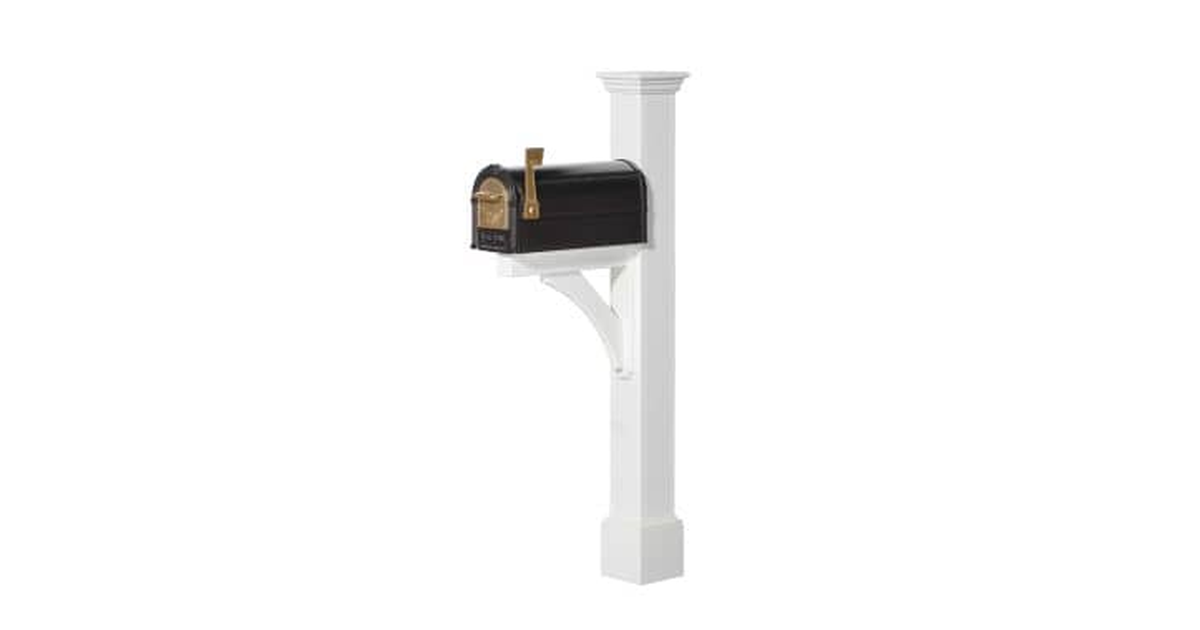
A More Cohesive Entrance: Coordinating a Mailbox, Post, and Outdoor Lighting
A coordinated entrance starts with choosing a mailbox, post, and outdoor lighting that complement your home's style. Look at your siding, trim, roof color, and existing fixtures before deciding which designs and finishes work best together.Comment -
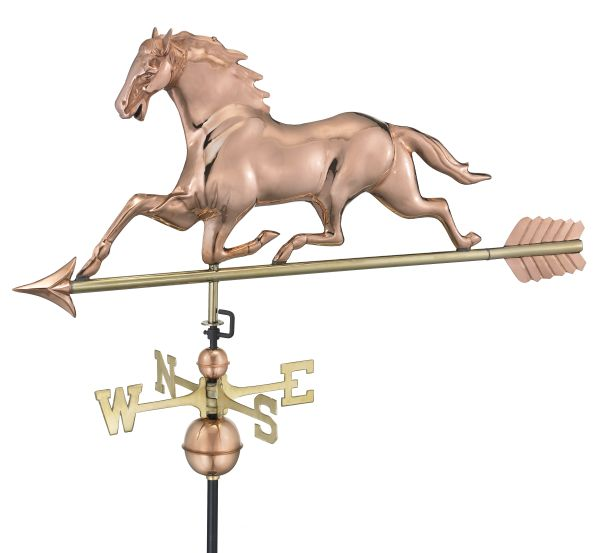
Why Is My Weathervane Spinning Nonstop? (And Other Signs It Needs Adjusting)
A weathervane that spins constantly is usually caused by worn or dry bearings, an unbalanced vane, or loose mounting hardware not by the wind itself. A properly working weathervane should point into the wind and hold that position, only moving again when the wind direction actually changes.Comment -
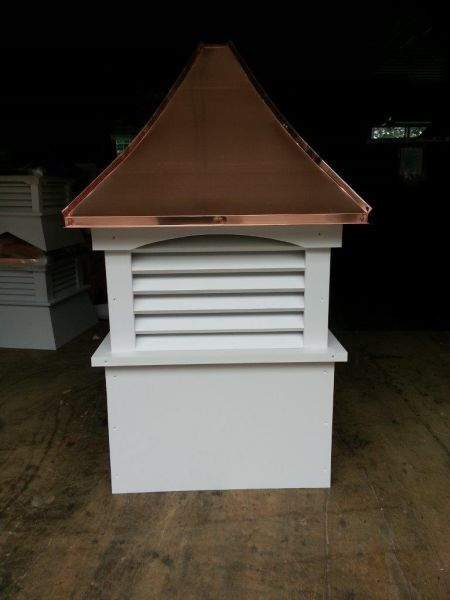
Can Cupolas Improve Ventilation? Here's What They Actually Stop Before You Ever See a Problem
Functional cupolas can improve ventilation by giving warm, humid air a way to escape through the roof peak instead of settling and condensing inside the building. This helps prevent the rust, mold, mildew, and wood deterioration that trapped moisture causes over time, in addition to reducing heat buildup.Comment -
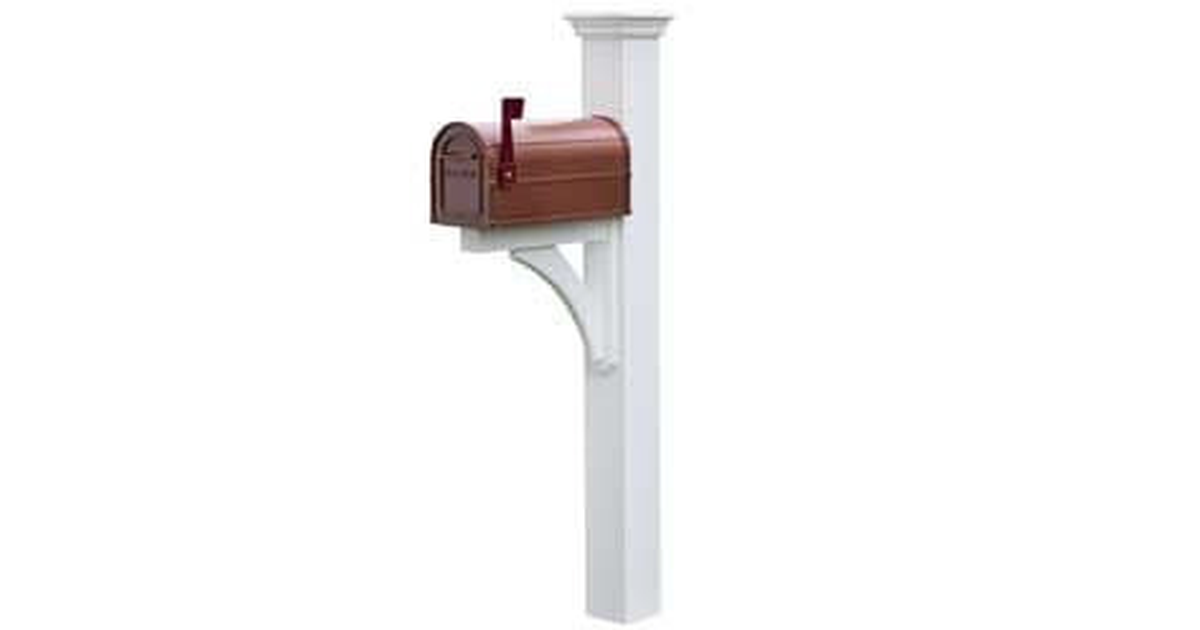
Your Mailbox Post Is Your Home's First Handshake: How to Keep It Looking New
To maintain outdoor mailbox posts, clean them with mild soap and water, check the mounting hardware, and make sure the post remains secure. Vinyl mailbox posts are rot-free and need very little upkeep, so an occasional wash and a quick hardware check is usually all it takes. A few simple checks throughout the year can help keep your mailbox looking neat and ready for daily use.Comment -
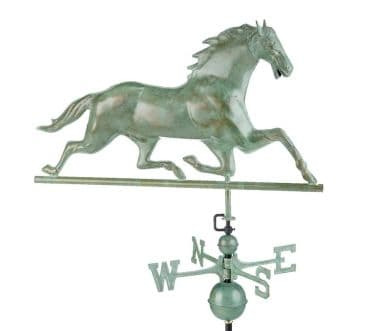
Copper vs Aluminum Weathervanes: Which Metal Actually Survives a Midwest Winter?
Weathervanes are made of copper or aluminum, with copper offering a longer lifespan and a changing patina over time, while aluminum stays lighter and holds its painted finish longer without weathering. In regions with heavy snow, ice, and freeze-thaw cycles, the metal you choose affects how well the bearing spins, how the surface holds up, and how many years you get before replacement.Comment -
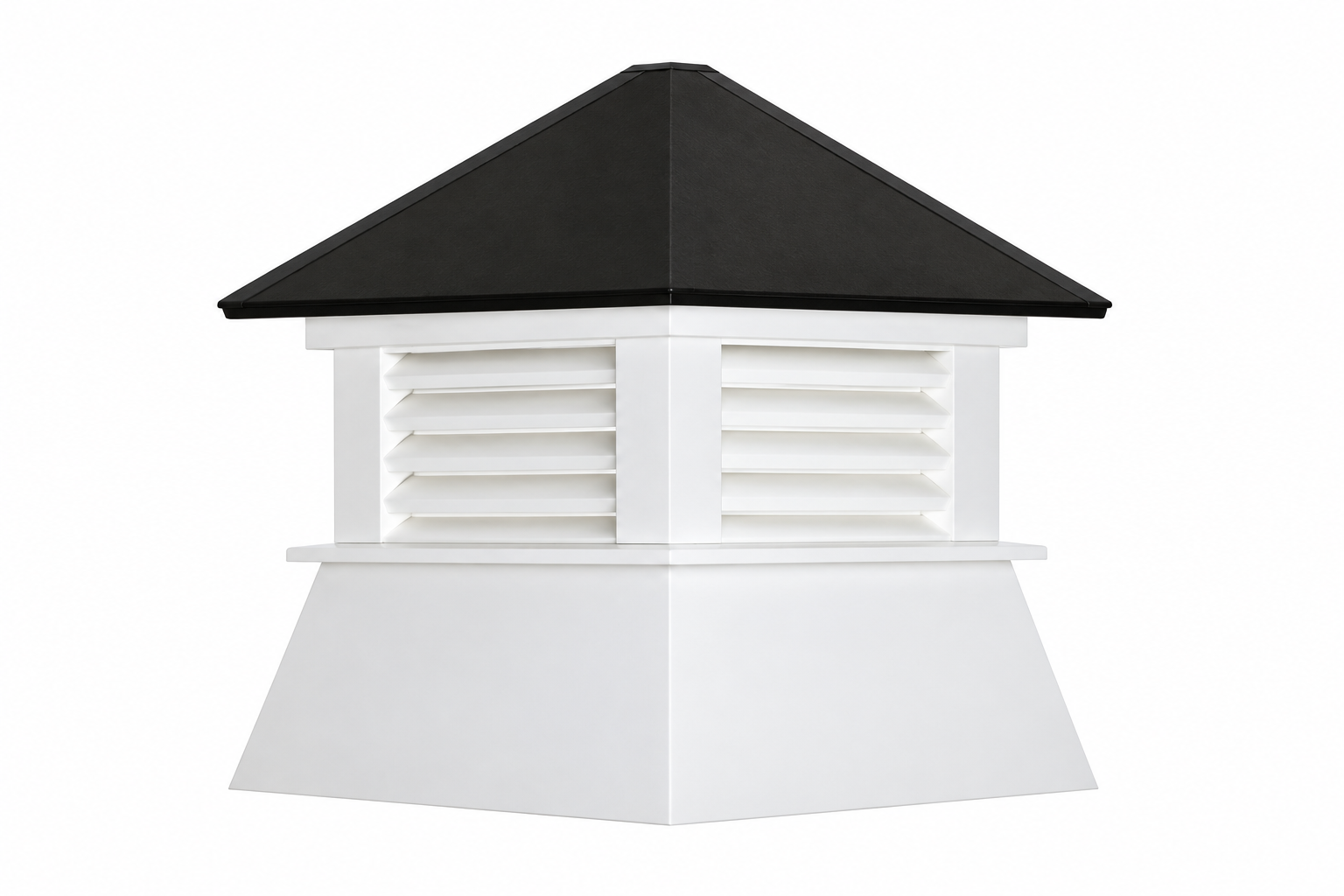
Garage Cupolas Aren't Just Decorative: Here's the Ventilation Problem They Quietly Solve
Garage cupolas are used for both passive ventilation and architectural style. They allow hot, humid air trapped near the roof peak to escape, which helps regulate garage temperature and reduce moisture buildup, while also adding a finished, intentional look to the roofline. Functional and decorative cupolas often look identical from the outside, but only some are built with true ventilation in mind.Comment -
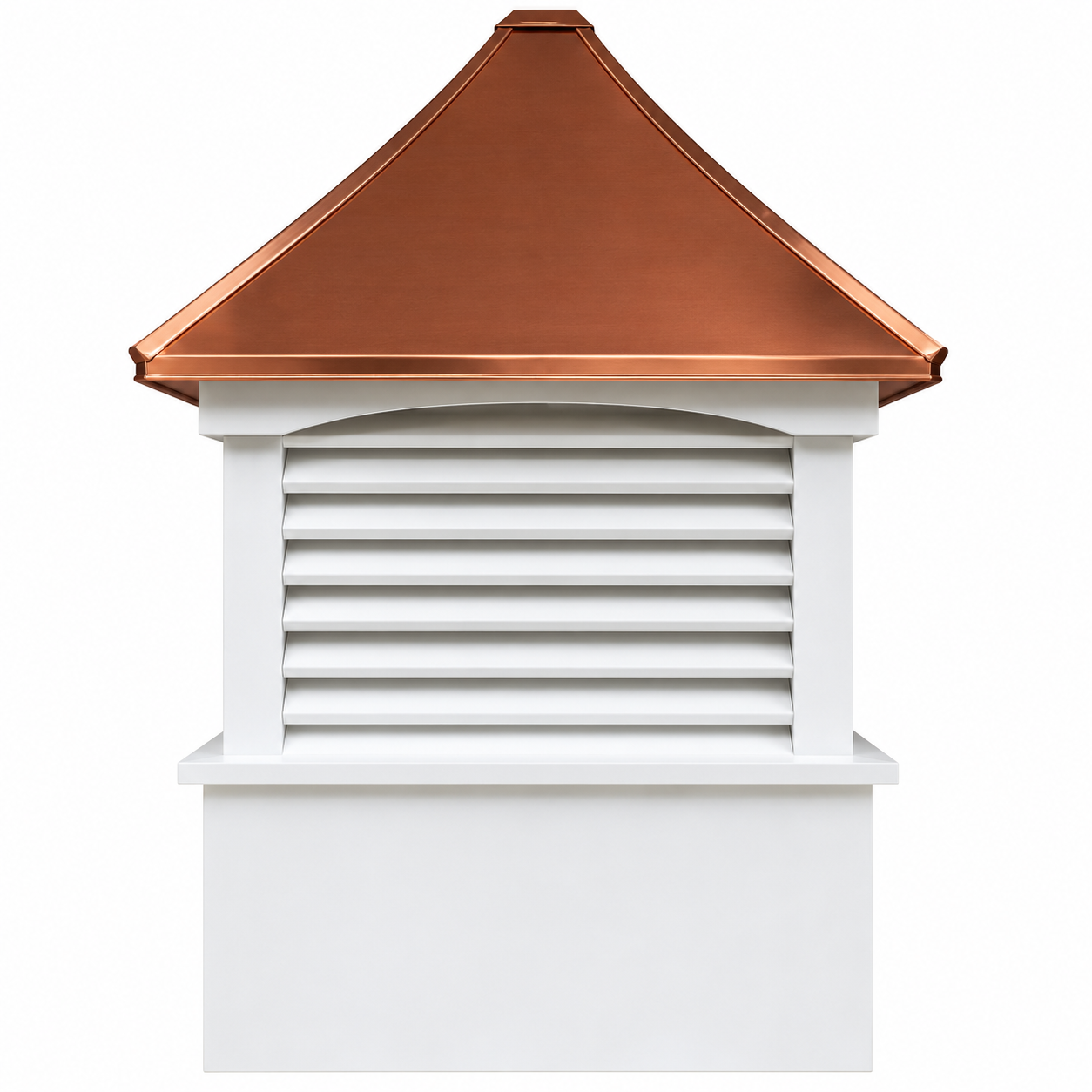
Matching Your Cupola to Your Roofline: The Sizing Mistake That Makes Barns Look Off
A cupola can look out of place on a barn even when its design and finish are right. The problem often comes down to its size in relation to the roof. A common starting point is 1 to 1.5 inches of cupola base width per foot of roofline, for a 40-foot roofline, that gives you a practical range to explore, with a 36–60-inch cupola worth considering. Roof pitch, ridge height, and viewing distance can help you narrow down the right option.Comment -
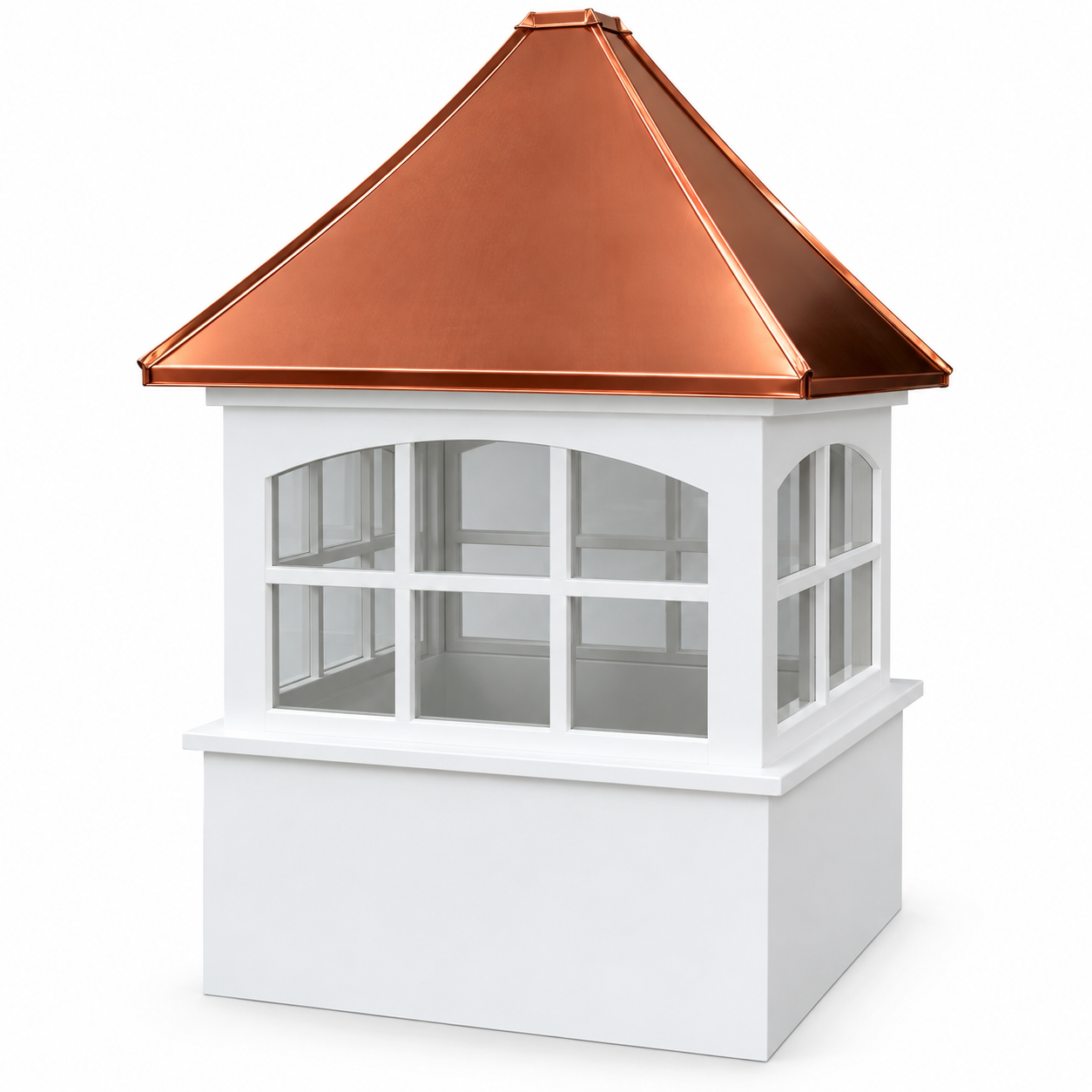
We Asked Amish Craftsmen: What 'Maintenance-Free' Vinyl Actually Means After 10 Years Outside
Vinyl cupolas are maintenance-free in the sense that they never need painting, staining, or sealing, and they resist rot, warping, and insect damage that wood cupolas are prone to. They still benefit from an occasional rinse and a yearly check of seams, hardware, and the roof cap, which takes minutes, not hours.Comment -
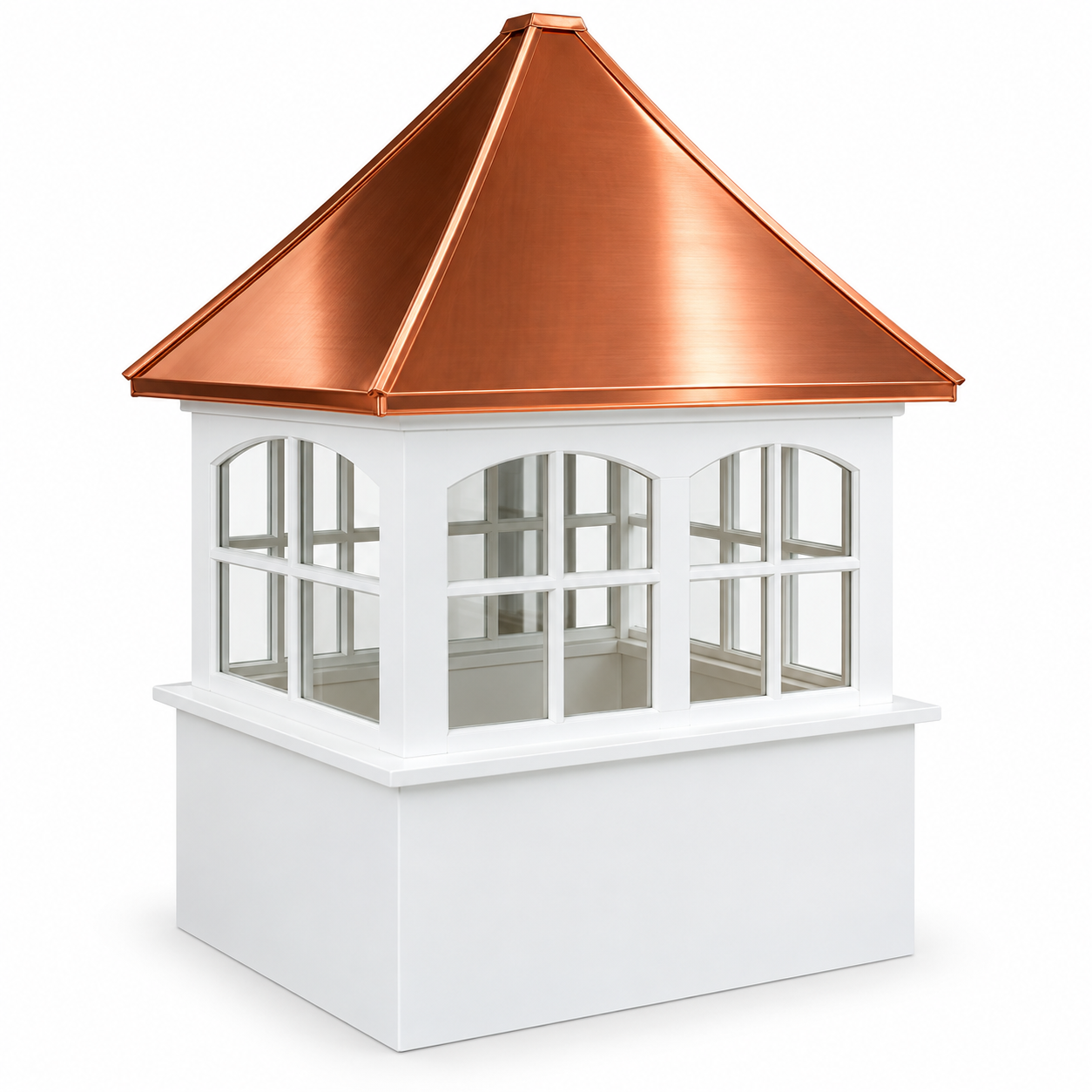
What Actually Drives Cupola Pricing in 2026: Size, Material or Customization?
A custom cupola costs anywhere from around $200 for a small, basic vinyl model to several thousand dollars for a large, fully customized cupola with premium materials, windows, and a copper roof. Size is the single biggest driver of price, followed by material, then customization options like windows, roof finish, and color.Comment -
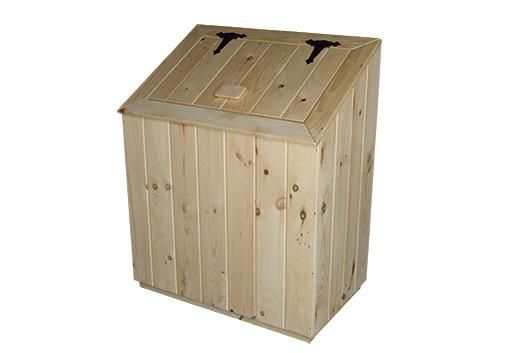
Why Barn Owners Are Rethinking Feed Storage Before Rodent Season Hits
To keep horse feed fresh, store it in a sealed, rodent-resistant container off the ground, keep it in a cool, dry location away from direct sunlight, and use feed within a reasonable window rather than buying more than you'll go through in a few weeks. The container matters as much as the storage room itself.Comment
Recent Posts