What is a Wind Vane and What Does It Measure?
A wind vane, also known as a weathervane or a wind indicator, is a common sight atop roofs and in gardens all over the world. But what is a wind vane and what does it measure? This beautiful and functional tool is used to determine the direction of the wind – but there’s more to the physics and significance of the wind vane than meets the eye.
We're here to answer all your questions about this age-old tradition. Before you know it, you'll not only be an expert on how a wind vane works, but you'll be ready to put this centuries-old tradition to the test!
What Does a Wind Vane Look Like?
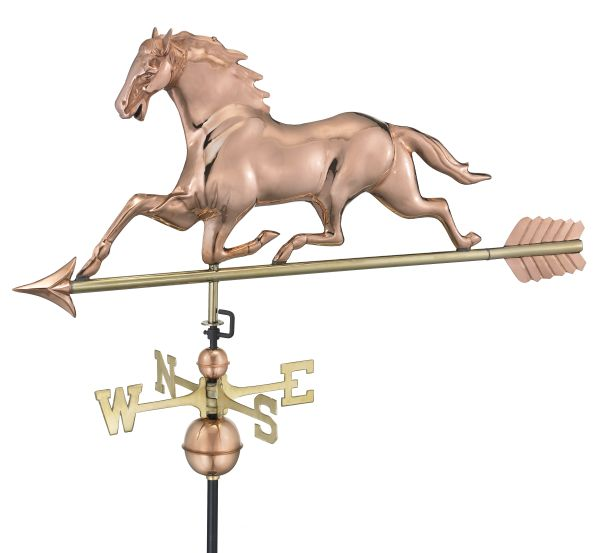
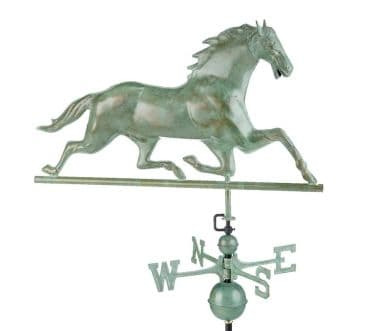
A wind vane typically features an arrow-like structure with a wider end and a pointer on the opposite side. The pointer spins freely atop a vertical rod, guided by the wind. This eye-catching structure may be simple or intricately detailed and can be crafted from a variety of materials, including metal, wood, or plastic. The wind vanes at Cupolas Direct are made from sturdy aluminum or copper for enhanced durability and visual appeal.
What Does a Wind Vane Measure?
A wind vane measures the direction of the wind, which is an important factor in determining weather patterns and predicting changes in atmospheric conditions. It can provide valuable information for a variety of activities.
In sailing, for example, an accurate understanding of wind direction can dictate the course and speed of a journey. Sailors need to know the wind direction to adjust their sails effectively and navigate the waters efficiently.
Wind vanes can also help farmers understand wind patterns, which play a significant role in seed dispersal, pollination, and the spread of pests. By keeping an eye on the wind direction, farm workers can plan their planting and pest control strategies more effectively.
In the world of aviation, wind direction is a crucial factor in takeoffs and landings. Many pilots rely on accurate wind vane data to optimize fuel consumption and flight times, ensuring safe and efficient travel.
How Does a Wind Vane Work?
To understand how a wind vane works, we first need to become familiar with its design: This simple but powerful tool consists of an arrow-shaped pointer attached to a central axis. This pointer is balanced in such a way that it can freely rotate and always align itself with the direction of the wind.
Although most of the instrument's body is designed to have equal mass distribution on both sides of its central axis, the exception is the end that acts as the pointer. This end is usually made to be more streamlined and has a smaller surface area. When the wind blows, it encounters less resistance compared to the streamlined end, exerting force in the opposite direction. This causes the wind vane to rotate and position itself in such a way that the pointer end clearly indicates the direction from which the wind is blowing.
Cupolas Direct: A Preferred Name in Quality Weathervanes
At Cupolas Direct, we take pride in our quality weathervanes. Brought to you by Good Directions, these items are made from highly durable aluminum or pure copper to give you many years of use.
Our copper weathervanes include your choice of hand-finished multicolored patina, uniform polished copper, or blue verde copper. Our aluminum weathervanes are made from cast aluminum, finished with a trademark Alumi-Shield process to protect against the harshest weather and environmental elements. We also offer aluminum wind vanes with beautiful hand-finished black patina.
Whether you opt for copper or aluminum, we've got the perfect weathervane to match your cupola. Our full-size weathervanes (estate weathervanes) measure an average of 23" L x 36" H when assembled. We also carry smaller garden size weathervanes measuring an average of 18" in assembled length.
Each piece is handmade by skilled artisans using time-honored techniques. What's more, the instruments are designed to accurately measure the direction of the wind. Included in your order are easy-to-assemble all-weather rods, directionals, and spacer balls.
Animal Weathervanes: A Touch of Tradition and Symbolism
Did you know that many wind vanes are traditionally shaped like animals? Animal weathervanes often feature intricate designs that carry historical or cultural significance -- therefore transforming a simple weather tool into a meaningful ornament.
One of the most iconic figures is the rooster. Not only is the rooster the first to see the rising sun and announce the new day, but it is also a biblical symbol of vigilance and watchfulness. In many cultures, roosters are believed to guard against evil spirits and are thus a popular choice for weathervanes. In fact, traditional rooster weathervane designs stem from a ninth-century papal decree that every church in Europe should display a rooster on its dome or steeple. This evolved into the weathercock, the most common design for wind vanes.
Another popular farm animal weathervane is the horse. Horse weathervanes are a favorite among equestrian enthusiasts and residents of country homes. These fixtures gained popularity during the mid 19th century, due to the rising popularity of horse racing at that time. If you’re a horse lover, this weathervane will make the perfect display of speed, freedom, and the wild spirit of nature.
Fish weathervanes, on the other hand, are typically seen in coastal areas and symbolize maritime culture and the abundance of life in the water. The earliest recorded weathervane in history adorned the Tower of Winds in Athens, built in 48 B.C. It depicted the Greek god Triton, who had the head of a man and the tail of a fish.
You can find a variety of rooster weathervanes, horse weathervanes, fish weathervanes, dog weathervanes, and more at Cupolas Direct. Our selection also includes iconic designs like the Smithsonian Eagle, moose, bear, deer, Labrador, and more – as well as non-animal designs like the American flag, biplane, sailboat, mermaid, and stained glass moon. Browse now to find the design that most resonates with you and your house.
Maximize the Performance of Your Wind Vane
The wind vane's ability to freely rotate is crucial to its operation. The vertical rod or spindle that supports the vane is designed to offer minimal friction, allowing it to rotate easily and accurately represent the wind’s direction. Regularly applying lubrication to the pivot point helps to ensure that the wind vane remains responsive and accurate, even in light breezes.
Location also plays a significant role in the item’s efficacy. Ideally, wind vanes should be placed at a high point, free from obstructions that could potentially distort wind patterns. This is why you often see these instruments adorning rooftops, bell towers, and other tall structures.
Order Your Wind Vane Today
Now that you know what a wind vane is, what it measures, and how it works, why not consider adding one to your home or garden? Not only will it serve as a practical tool, but it will also add a decorative nostalgic element to your outdoor space.
If you have any questions or need help finding the right wind vane for your house, our friendly customer service team is always here to help. Give us a call at 717-808-5711 or email us at [email protected].
Browse our extensive selection of aluminum and copper wind vanes now. Happy wind watching!