The Cupola Roof Vent: Get the Airflow You Need
Updated: 10/22/2026
How Cupolas Improve Airflow in Barns, Sheds, and Garages
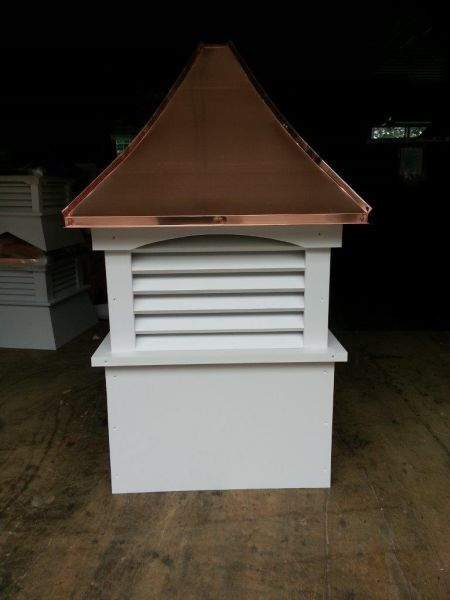
Cupolas have long been associated with classic architecture, but their original purpose was practical. A properly installed louvered cupola creates natural ventilation by allowing hot, stale air to escape while allowing fresh air to enter.
When used on the right type of structure and installed correctly, cupola ventilation is simple, effective, and completely passive.
This page explains how cupola ventilation works, where it is recommended, and what installation details matter most for long-term performance.
How Cupola Ventilation Works
A louvered cupola uses the natural rise of warm air to promote continuous airflow. Heat, moisture, and fumes accumulate near the roofline. As that air exits through the louvers, it creates a pressure difference that pulls fresh air in through doors, soffits, or other lower openings.
Because this process relies on physics rather than fans or electricity, it works year-round and requires virtually no ongoing maintenance.
Functional vs Decorative Cupolas
Any louvered cupola can be used for ventilation. There is no single “vent model” that performs better than others. The determining factors are size, placement, and installation details, not the cupola style itself.
Decorative cupolas, such as fully windowed models with proper bases, are intended strictly for appearance. Functional cupolas are louvered and installed over an opening in the roof to allow airflow.
If your preferred aesthetic is windows, we also offer decorative windowed cupolas as well as combination “transom” cupolas featuring both windows and louvers. Examples of our transom cupolas are Norwood, Waterford, Dayton, Norfolk, and Newark.
This comparison highlights the key differences between decorative and functional cupolas so you can choose the option that best fits your structure and goals. Both styles offer distinct benefits, whether you are focused on architectural design, natural ventilation, or a combination of both.
| Feature | Decorative Cupolas | Functional (Ventilated) Cupolas |
|---|---|---|
| Primary purpose | Architectural appearance and curb appeal | Natural ventilation and airflow |
| Louvers | May include louvers, with the base installed over finished roofing and no ventilation opening below. | Louvered with an open base to allow airflow |
| Ventilation opening | No roof opening required | Requires a roof opening beneath the cupola |
| Airflow function | No active airflow | Passive air movement, enabling heat, moisture, and odors to escape |
| Recommended structures | Homes, garages, sheds, barns | Barns, sheds, garages, workshops, pole buildings |
| Use over living space | Yes | Not recommended over finished or primary living areas |
| Weather exposure | The roof structure below remains intact, with no vent opening. | Designed to drain incidental moisture, not fully waterproof |
| Installation complexity | Simpler installation | Requires interior roofing detail for drainage protection |
| Screens | Not needed | Recommended to prevent birds and pests |
| Best use case | Enhancing roofline appearance | May reduce heat, condensation, odors, and fumes |
Note: Decorative louvered cupolas are installed over finished roofing without a roof opening. While wind-driven rain can enter through the louvers in extreme conditions, any incidental moisture drains safely over the finished roofing and exits beneath the unfastened base edge.
At Cupolas Direct, customers often assume that a larger base automatically means a larger ventilation opening. That is not the case, and understanding this distinction is critical to proper performance and weather protection.
Where Cupola Ventilation Works Best
Cupola ventilation is most effective on barns, sheds, garages, workshops, and pole buildings, where natural airflow helps release heat, reduce moisture, and improve air quality. These structures often benefit from passive ventilation, especially when housing equipment, vehicles, animals, or stored materials.
For primary living spaces, many homeowners choose cupolas for their architectural impact rather than ventilation. Decorative cupolas, including windowed and non-venting louvered styles, are an excellent way to enhance a roofline. When ventilation is desired, functional cupolas are best installed on non-living structures, since any roof opening, even when properly flashed and engineered, cannot be guaranteed to remain completely dry in every extreme weather condition.
Choosing the right type of cupola for the right structure ensures you get the look you want and the performance you expect, without compromising comfort or protection.
Proper Installation Matters More Than the Cupola Itself
For a cupola to function as a vent without introducing water issues, installation details are critical.
A minimum of 5 inches of finished roofing material must extend inward on all interior sides of the cupola base. This finished roofing acts as a drainage surface. If sideways rain enters the louvers, it lands on the roofing and drains safely out rather than falling directly into the ventilation opening.
The two opposing sides of the cupola base should remain unsealed so any incidental moisture can escape naturally.
The more finished roofing added inside the base, the greater the protection.
Replacing Your Roof? Don't Overlook the Cupola
If you’re replacing your roof, make sure to tell your contractor whether your cupola is decorative or if it actively ventilates your building. Removing a functional cupola or covering the roof opening without adding another form of ventilation can change how heat, moisture, and stale air escape from the structure.
Before construction starts, confirm whether the cupola will be reinstalled, replaced, or converted to decorative-only. This is also a good time to have the roofer inspect the base, flashing, screens, and interior drainage details so the finished installation supports airflow while still directing incidental moisture safely away from the roof opening.
Cupola Size and Maximum Vent Opening
Another common misconception is that the cupola base size equals the ventilation hole size. The opening must be smaller than the base to allow for proper drainage and weather protection.
Below are maximum recommended ventilation openings. Using a smaller opening than the maximum provides additional protection.

- 18-inch base: up to 8-inch opening
- 24-inch base: up to 14-inch opening
- 30-inch base: up to 20-inch opening
- 36-inch base: up to 26-inch opening
- 42-inch base: up to 32-inch opening
- 48-inch base: up to 38-inch opening
- 60-inch base: up to 50-inch opening
- 72-inch base: up to 62-inch opening
Larger cupolas allow for larger openings and greater airflow, but correct sizing should always be balanced with the structure’s needs and exposure.
As always, feel free to email [email protected] or call 717-808-5711 with any questions or if you need help finding the perfect cupola to serve as your roof vent.
Weather Resistance and Coastal Considerations
Cupolas are designed with downward-angled louvers to deflect rain and debris. Many models are also available with engineer-certified wind ratings up to 120 MPH, making them suitable for coastal and high-wind environments when installed properly.
That said, no open ventilation system can be considered completely waterproof in every condition. This is why functional cupolas are best used on barns, sheds, garages, and similar structures rather than living spaces.
With the largest cupola selection available, we’re confident you’ll find the perfect design to suit your needs.
Screens, Pests, and Maintenance
Optional internal screens are available and strongly recommended for most ventilation installations. Screens help prevent birds, insects, and small animals from entering while allowing airflow to remain unobstructed.
Maintenance is minimal. Periodic visual checks and occasional debris removal are typically all that is required.
Related Resource: Pole Barn Ventilation
If you are specifically planning ventilation for a pole barn, we recommend reviewing our dedicated guide on adding ventilation to a pole barn, which focuses on cupolas as a ventilation component rather than full building ventilation design.
Frequently Asked Questions
Can the cupola be used for ventilation?
Yes. Any louvered cupola can function as a roof vent when installed over a properly sized opening with correct interior roofing details.
Is this functional or just decorative?
Louvered cupolas are functional. Fully windowed models are decorative unless modified for airflow.
Can this vent my attic or barn?
Cupolas are well-suited for barns, sheds, garages, workshops, and pole buildings. They are not ideal for venting finished attics or living spaces.
Do I need screens?
Screens are optional but highly recommended to prevent birds, insects, and small animals from entering the structure.
What should I do with my cupola during a roof replacement?
If the cupola is functional, tell your roofer before work begins so the ventilation opening, flashing, drainage details, and screens can be preserved or properly replaced. If the cupola is decorative only, it can typically be reinstalled over finished roofing without an open vent hole.
Do you have flashing for standing seam metal roofs?
Yes. Flashing options are available for standing seam metal roofs and other roofing types to ensure proper integration and weather resistance.
Interested in learning more? Check out our handcrafted Amish cupolas now and add a touch of classic flair and cross-breeze to your rooftop.
What should I do with my cupola during a roof replacement?
If the cupola is functional, tell your roofer before work begins so the ventilation opening, flashing, drainage details, and screens can be preserved or properly replaced. If the cupola is decorative only, it can typically be reinstalled over finished roofing without an open vent hole.