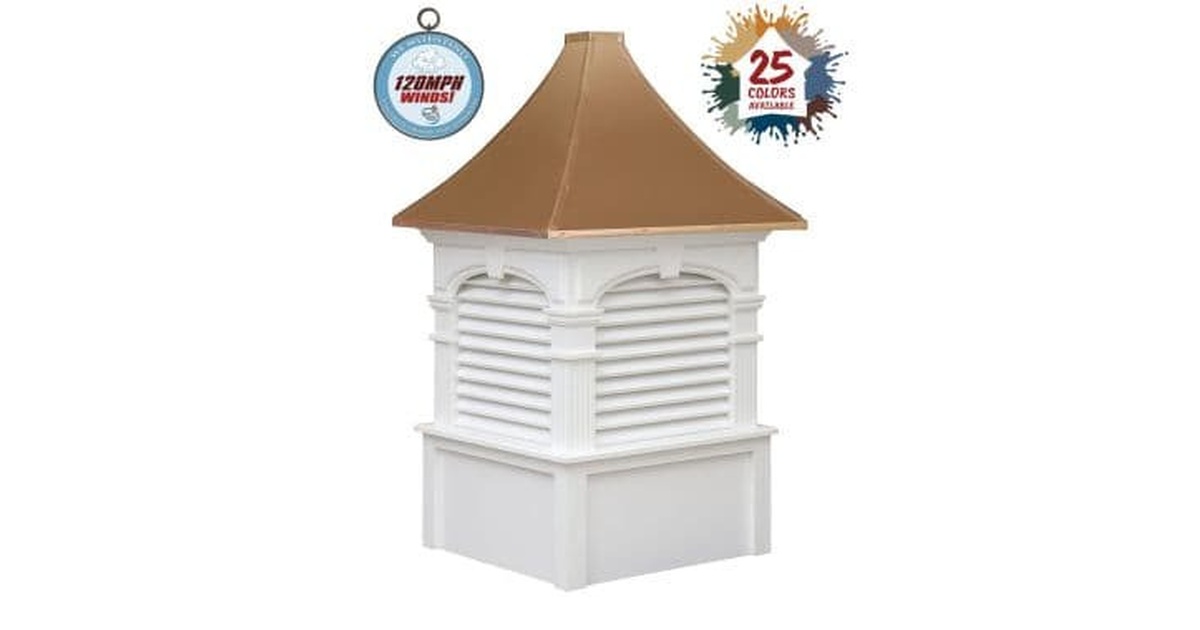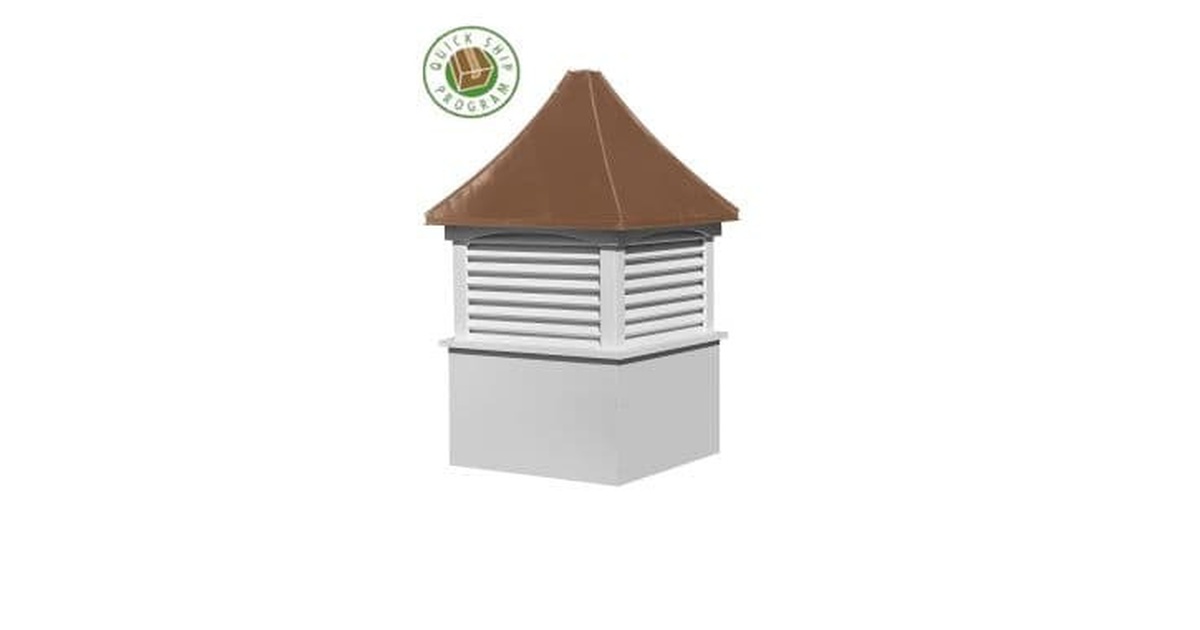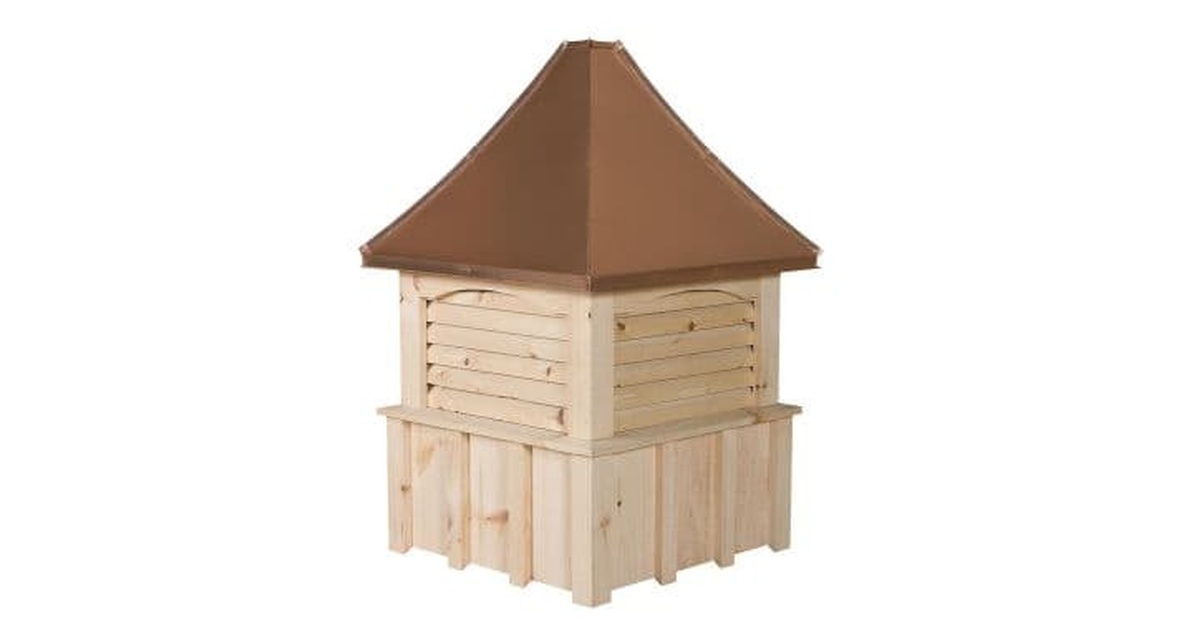
A pine cupola needs regular inspections to keep its protective finish in good condition and identify weather-related wear. Check for peeling paint or stain, moisture marks, separated trim, and visible changes around the roof connection. Seasonal observations can help you decide when maintenance or professional attention is needed.
Wood cupolas face changing conditions throughout the year. Summer sunlight affects exposed finishes, while rain, snow, and freezing temperatures can reveal areas that need attention.
At Cupolas Direct, we recommend including your wood cupola in your regular exterior maintenance routine. This checklist explains what to look for each season without requiring you to climb onto the roof.
Spring: Look for Signs of Winter Weather Damage
Spring is a good time to check whether winter weather has affected the cupola's appearance or condition.
After snow and ice have cleared, examine the cupola from the ground using binoculars or a camera with a zoom lens.
Pay attention to:
- Wood surfaces: Look for new cracks, discoloration, or visible changes in shape.
- Paint or stain: Check whether the finish is peeling, flaking, or exposing bare wood.
- Trim and joints: Notice any sections that appear separated or uneven.
- Roof cap: Look for visible damage or changes in alignment.
- Cupola base: Check for obvious changes where the cupola meets the roof.
A dark mark doesn't necessarily indicate wood decay. However, staining that persists through dry weather or appears to spread deserves further evaluation.
Take photographs of anything unusual. Comparing them with older images can help determine whether the condition is changing.
Summer: Check the Protective Finish
Summer sunlight can affect the appearance and condition of painted or stained wood surfaces.
The south- and west-facing sides may receive stronger sunlight, depending on the building's location and surrounding shade. Look for fading, peeling, blistering, or areas where the protective coating has worn away.
For pine cupolas, maintaining an appropriate exterior finish is especially important because exposed wood can absorb moisture.
Our article, Which Material Is Best for my Cupola?, explains how unfinished pine and other wood options differ from lower-maintenance materials.
When Should You Repaint or Restain?
At Cupolas Direct, we recommend staining natural pine cupolas with a weatherproof finish at least once a year to help protect the wood and extend its useful life.
Our pine cupola category guidance lists a projected lifespan of approximately five years for natural pine cupolas. This is an estimate rather than a guaranteed lifespan, and regular maintenance can help improve longevity.
Make annual staining part of your maintenance schedule rather than waiting for the finish to show obvious signs of wear. The type of finish, local weather conditions, and the manufacturer's application instructions should also be considered.
During your summer inspection, look for exposed wood or deteriorating coatings. If you notice these conditions, arrange an assessment before applying another finish.
Painting over damp or damaged wood may conceal a problem without correcting it.
Because the cupola sits above the roofline, surface preparation and refinishing may require a qualified professional with suitable access equipment.
Fall: Prepare for Wet and Freezing Conditions
Fall is the time to revisit concerns you noticed earlier in the year, especially before prolonged rain, snow, or freezing weather.
Inspect the cupola's exposed surfaces and visible joints for changes that could allow moisture to reach unfinished wood.
Pay particular attention to the lower trim, corners, and places where different sections meet.
If a joint appears open or a piece of trim looks loose, record its location and arrange an appropriate inspection. Don't assume that filling every visible gap with caulk is the correct repair.
Some cupola installation details require specific sealing and drainage arrangements. Our cupola installation guides provide model-related instructions, although they are not a substitute for a professional evaluation of an existing roof problem.
Check the Roof Connection
Look for visible changes where the cupola base meets the roofing.
Missing roofing material, apparent separation, or signs of recurring moisture may warrant a roofing professional's assessment.
The roof connection should be evaluated according to the installed cupola model and roofing system. Avoid making changes to flashing, drainage paths, or fasteners without confirming the appropriate installation requirements.
Winter: Observe the Cupola After Severe Weather
Winter inspections should be limited to safe observations from the ground.
After significant snowfall, ice accumulation, or strong winds, check whether the cupola appears different from its usual position.
Look for:
- A roof cap that appears shifted or damaged.
- Trim or decorative components that seem loose.
- An obvious change in the cupola's alignment.
- Visible damage following falling branches or windblown debris.
Snow resting on the roof cap doesn't automatically mean something is wrong. The more useful question is whether any part of the cupola has visibly changed.
Don't attempt to remove ice or snow from the cupola yourself. If a component appears unstable or damaged, keep people away from the affected area and contact an appropriate professional.
Keep a Simple Seasonal Inspection Record
A short record makes it easier to follow changes over time. You don't need a detailed maintenance report; a few notes and dated photographs are enough to establish what you've observed.
Use this checklist during each seasonal review.
| Inspection area | What to record |
|---|---|
| Wood surfaces | Cracks, discoloration, exposed wood, or visible distortion |
| Paint or stain | Fading, peeling, blistering, or worn areas |
| Trim and joints | Visible gaps, loose pieces, or changes in alignment |
| Roof cap | Damage, movement, or unusual appearance |
| Cupola base | Changes around the roof connection or nearby roofing |
| Follow-up | Photographs taken, professional assessment, or maintenance planned |
Include the date and the side of the cupola where you noticed the issue.
For example: "October 12- west-facing trim shows more fading than in the spring photograph. Review finish condition before scheduling maintenance."
This gives you a useful reference when discussing the condition with a painter, roofer, or other qualified professional.
When Does a Pine Cupola Need Professional Attention?
Not every change in appearance requires immediate repair. Normal finish weathering and structural damage are different concerns.
Arrange professional evaluation if you notice:
- Wood that appears severely cracked, softened, or deteriorated.
- Loose or displaced trim, roof caps, or other components.
- Persistent moisture staining or suspected water entry.
- Visible movement or damage around the cupola base.
A qualified painter or exterior woodwork professional can assess finishing concerns. A roofing professional should evaluate suspected flashing, mounting, or water-entry problems.
If you're unsure about the cupola's construction, locate the original product information before arranging work. The model and material details can help the professional determine which instructions apply.
Make Seasonal Care Part of Your Home Maintenance Routine
Choose a few dates throughout the year to check your cupola along with the rest of your home's exterior. Keep photographs together and address visible changes before they become harder to evaluate.
If you need help identifying your Cupolas Direct model or locating the relevant product information, contact our team. You may also call us at (717) 808-5711. Share your cupola photographs, model details if available, and a description of your concern so we can help you find the appropriate product resources.