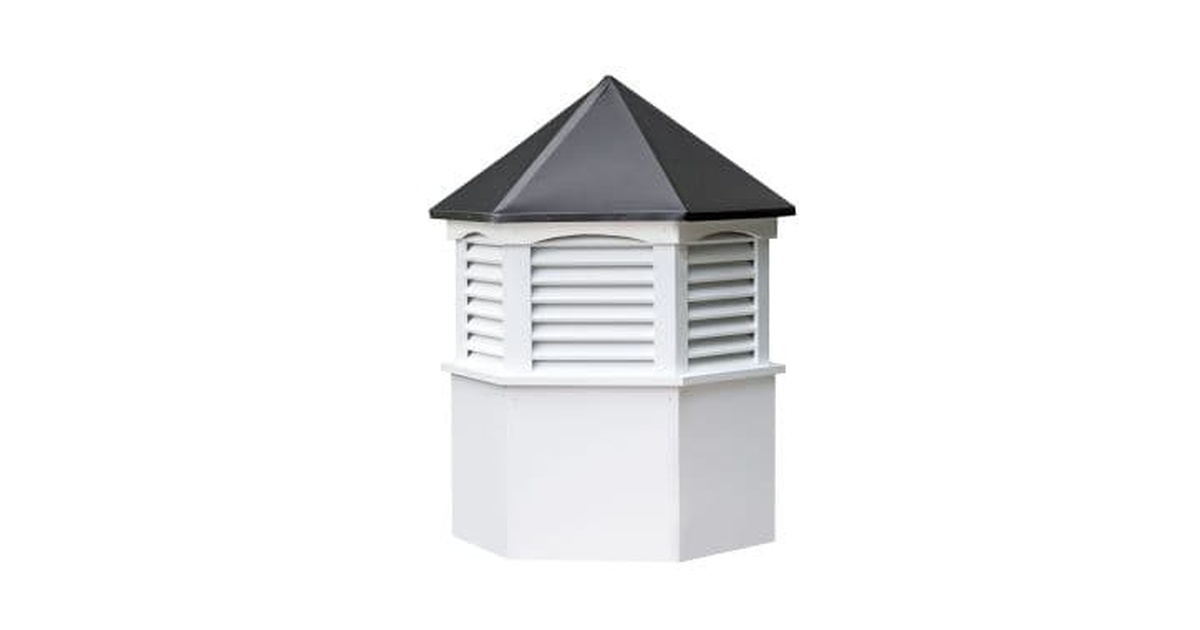
A hexagon cupola can complement a six-sided gazebo, pavilion, barn, garage, or home when its shape works with the building's roofline and architectural details. The roof itself doesn't need to have six sides. What matters is whether the cupola looks balanced and feels like a natural part of the building.
A six-sided design can add interest to a simple roof or complement an existing architectural feature. Before choosing one, look at the roof's shape, the building's overall style, and how the cupola will appear from the ground.
What Makes a Six-Sided Cupola Different?
A square cupola has four sides, giving it a familiar, traditional appearance. A hexagon cupola has six sides, creating a different outline and allowing more of its surfaces to be seen from various angles.
This difference can be noticeable on buildings viewed from several directions.
For example, a cupola in a detached garage may be visible from the driveway, backyard, and street. A six-sided design can present a slightly different appearance from each viewpoint.
The cupola's roof also influences its character. A simple roof profile may suit a modest outbuilding, while a more decorative roof can complement a building with detailed trim or traditional architectural features.
The goal is to choose a design that looks appropriate for the building, rather than selecting a shape simply because it's unusual.
Which Building Styles Suit a Hexagon Cupola?
Six-sided gazebos and pavilions
Gazebos are among the most natural settings for a six-sided cupola, particularly when the structure has a matching roof shape.
On a six-sided gazebo, the cupola can repeat the geometry of the roof below it. This creates a consistent appearance from the roof's edges to its highest point.
However, matching the number of sides isn't the only consideration.
A small garden gazebo with simple railings may look best with an understated cupola. A larger pavilion with decorative posts and trim may accommodate a more detailed design.
Consider how the cupola will look alongside the structure's existing features, rather than evaluating it separately.
Traditional barns and agricultural buildings
A hexagon cupola can also work on a barn with a conventional roof.
On a building with a long, straightforward roofline, the angled sides can introduce a decorative detail without requiring changes to the barn's overall appearance.
The choice often comes down to the building's character.
A working barn with minimal ornamentation may suit a simpler model. A horse barn or carriage house with decorative doors, contrasting trim, or traditional exterior details may look appropriate with a more prominent cupola.
If you're still comparing different shapes, our article Which Cupola Is Right for You? introduces the broader differences between cupola styles.
Homes and detached garages
A six-sided cupola can provide a finishing detail for a home or garage, particularly when the main roof has a simple outline.
Consider a detached garage with a centered roof ridge and relatively little decoration. A hexagon cupola may give the roof a clear focal point without making the building look overly elaborate.
On a home with multiple dormers, intersecting roof sections, or decorative gables, the decision requires more care.
If several architectural features already draw attention, a simpler cupola design may be a better match.
How Can You Tell Whether a Hexagon Cupola Fits Your Roofline?
When considering Hexagon cupolas, evaluate the roof and building together rather than relying on a close-up product image.
Start by looking at three details.
Look at the main roof shape
A simple gable roof gives the cupola a relatively uncluttered setting. Its six-sided outline may be easier to appreciate when there aren't several roof sections competing for attention.
A more complex roof can still accommodate a hexagonal design, but placement and proportion deserve closer consideration.
Look at where the cupola would sit in relation to the main ridge, nearby dormers, and other prominent roof features.
For an unusual roof configuration, ask us to review the building before you select a model.
Compare the cupola with existing architectural details
The building's windows, doors, trim, and roof finishes can help guide your decision.
For example, a traditional carriage house with decorative brackets and detailed trim may suit a cupola with a more elaborate roof profile.
A modern garage with clean siding and minimal ornamentation may look better with a simpler design.
The cupola doesn't need to repeat every feature on the building. It should have a level of detail that feels consistent with the overall architecture.
Check the view from the ground
A cupola may look substantial in a product photograph but appear quite different when installed high above the ground.
Take a photograph of the building from its main approach. Then look at it from another location where the roof is clearly visible.
Consider whether the cupola would be a noticeable focal point or a quieter finishing detail.
Our customer cupola photo gallery can help you compare completed installations on different building types.
How Much Does Cupola Size Affect the Design?
Size matters because even an attractive cupola shape can look out of proportion when the base is too small or too large for the roofline.
At Cupolas Direct, our general guidance is to figure 1 inch to 1.5 inches of cupola base per foot of roofline. This provides a starting point for comparing sizes.
For example, a 40-foot roofline would suggest a cupola in the 40–60-inch range, based on this general sizing guideline. The final choice depends on the building's proportions and the available models.
The roof's overall proportions, height, and viewing distance should also be considered.
For more detailed guidance, visit our cupola sizing guidelines.
When comparing six-sided models, review the individual product measurements carefully. Some of our hexagonal cupolas, including the Austin model, are measured from corner to corner at the base.
Confirming how a product is measured helps you make a more accurate comparison between styles.
Should the Cupola's Roof Finish Match the Building?
The cupola's roof finish can influence how prominently it stands out.
A copper roof may provide a contrasting architectural accent, while a painted roof may coordinate more closely with the building's existing finishes.
Consider the trim color and any other decorative roof features before making a decision.
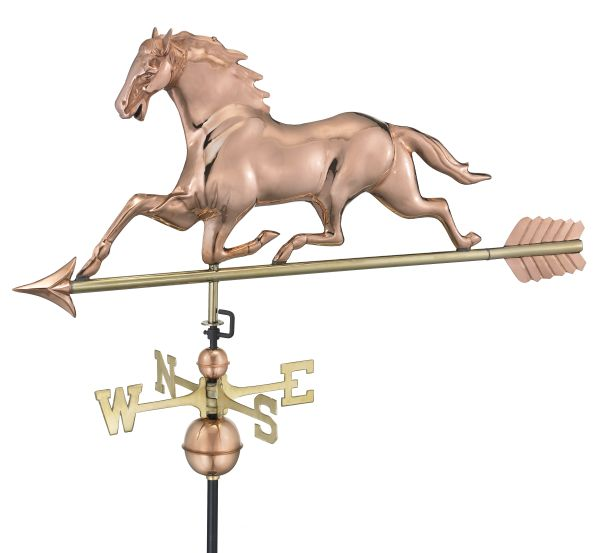
If you're planning to add a weathervane or finial, evaluate the complete design rather than the cupola alone. A detailed topper may look appropriate on a traditional barn, while a simpler combination may suit a more restrained building.
The right choice depends on the appearance you want to achieve and the options available for your selected model.
Compare Your Options Before Ordering
Before making a final selection, gather a few basic details about your building:
- A photograph showing the entire roofline
- A second photograph taken from another viewing angle
- The length of the uninterrupted roof ridge
- The roof pitch, if known
- Any exterior finishes or architectural details you want to coordinate
Use these details to compare two or three cupola designs.
You can browse our hexagon cupola collection to see the available styles and product specifications.
Need Help Choosing the Right Hexagon Cupola?
If you're unsure which design will look right, contact us with your building photographs and dimensions. You may also call us at (717) 808-5711. We can help you review the options and request a graphic drawing before you place your order.