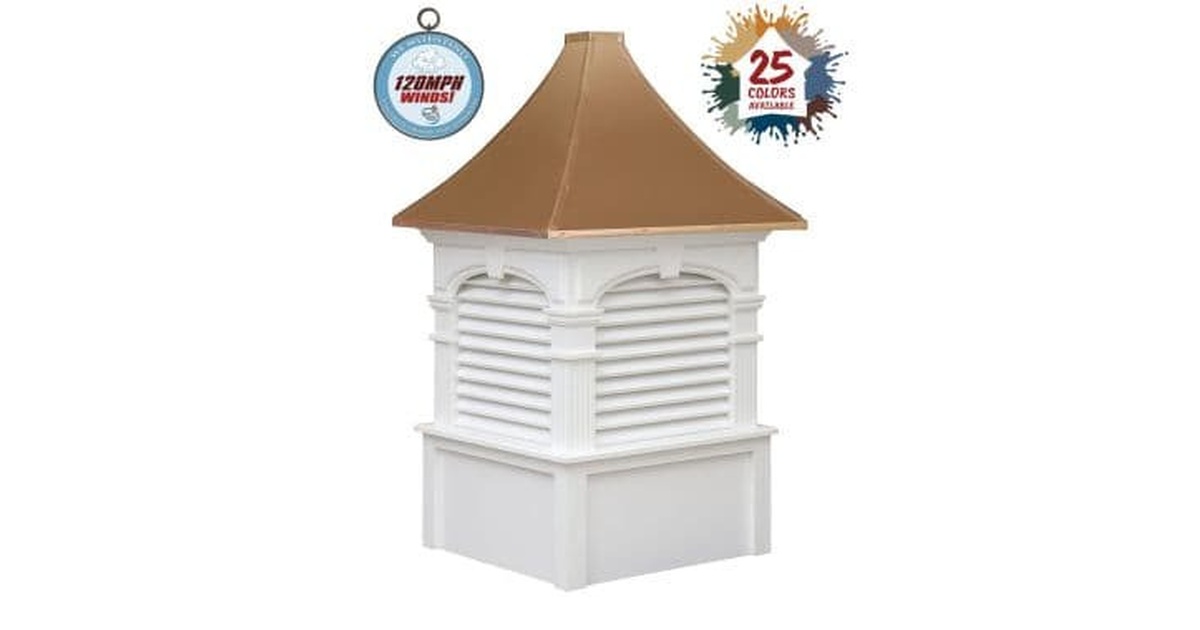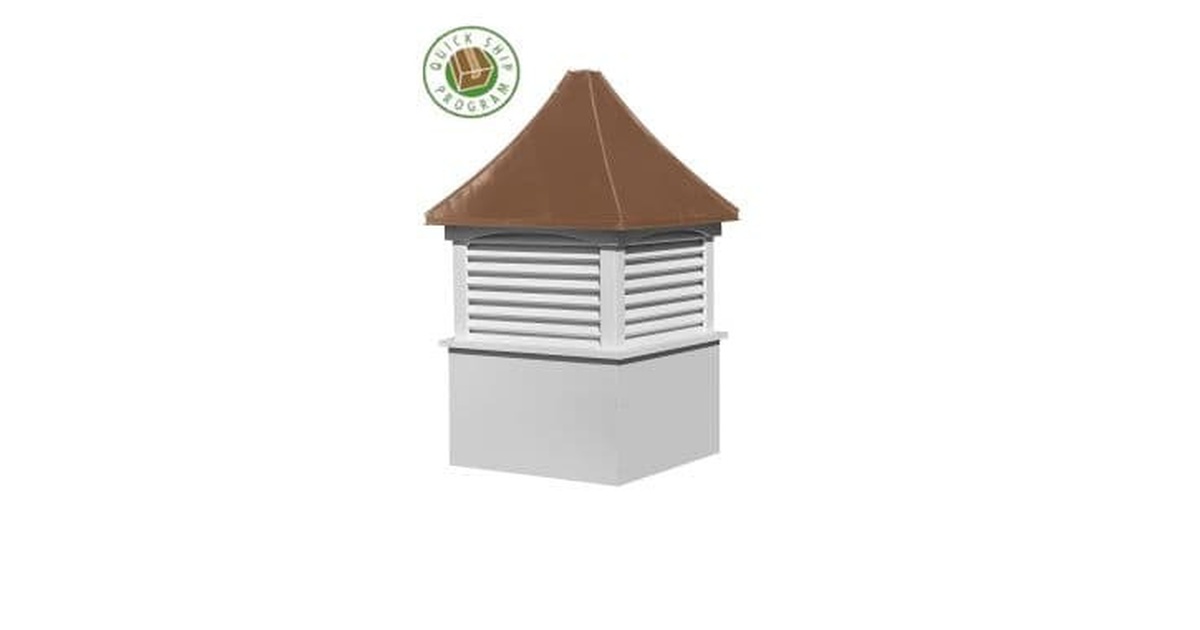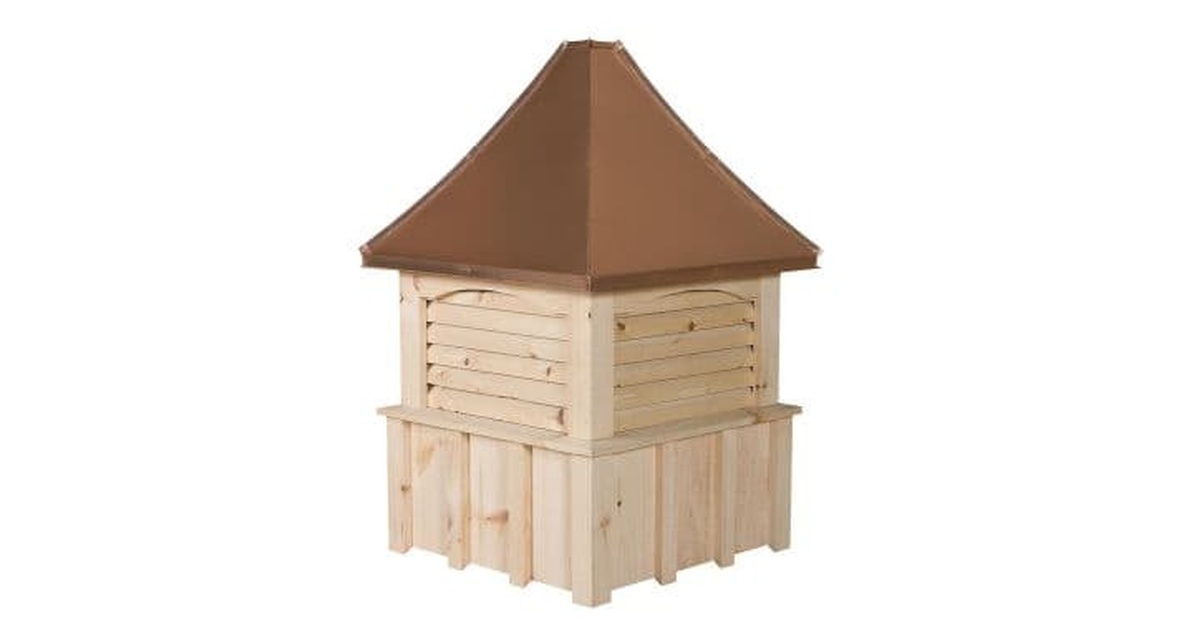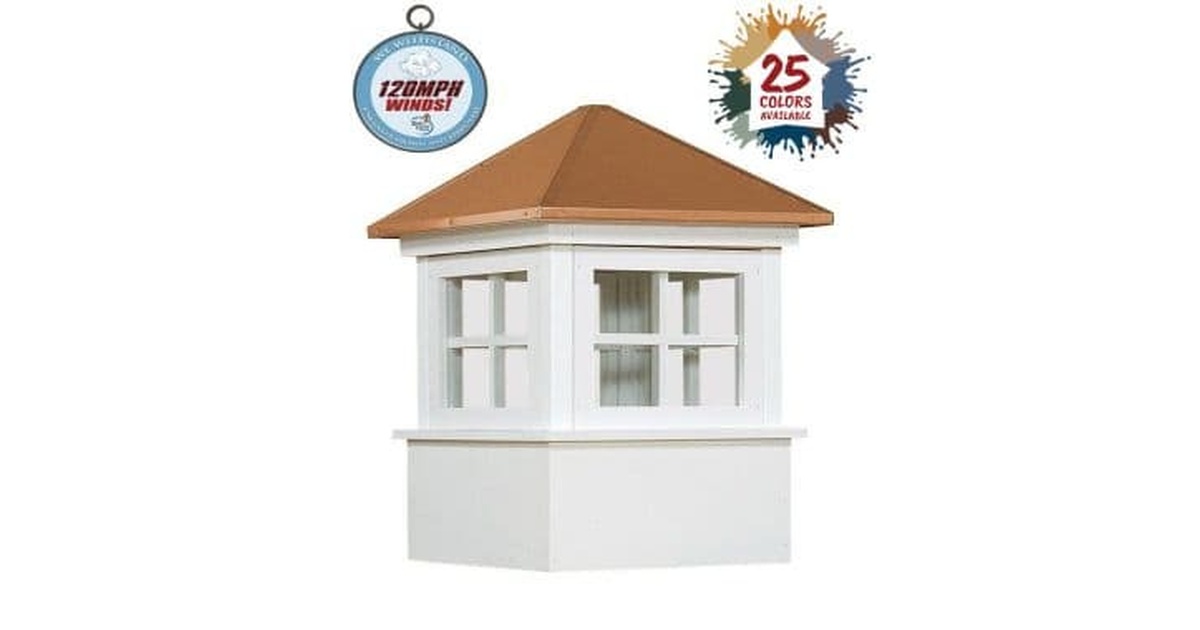
The right cupola window style should complement your building's architecture and look balanced from the ground. Our standard window cupolas come with clear glass or UV-rated plexiglass, depending on the model. Textured or frosted glazing may be available through custom work, but these are not standard options on our website. Arched windows and divided panes can add character to barns, garages, homes, and gazebos.
Consider your roofline, existing window shapes, trim colors, and viewing distance before choosing a design. Remember that decorative windowed cupolas do not provide interior lighting or ventilation. Our standard glazing materials vary by model, and any custom window treatment needs to be discussed with our team before ordering.
How Does Clear Glass Affect a Cupola's Appearance?
Clear glass creates an open, familiar window appearance. It's a natural choice for traditional barns, carriage houses, and homes with conventional windows.
The overall effect depends on the window frame and pane arrangement.
A cupola with several divided panes may look more traditional, while larger, simpler window sections can give the design a less detailed appearance.
Our standard window cupolas feature either clear glass or UV-rated plexiglass, depending on the model. Both provide a clear-looking window, although the materials differ.
The glazing material also varies between products. Some of our cupolas feature real glass, while others use UV-rated plexiglass panels.
Before choosing a model, review its listed materials rather than assuming all clear-looking windows use the same type of glazing.
What Is the Difference Between Textured and Frosted Glass?
Textured glass has a patterned surface that changes how clearly you can see through it. Frosted glass has a more evenly diffused appearance.
Both can soften the look of a window, but they create different visual effects.
Textured glazing may show a noticeable pattern when viewed nearby. Frosted glazing generally produces a more uniform finish.
The distinction matters most when the cupola is visible from a patio, driveway, or other relatively close viewing area.
On a taller building, fine glass textures may be difficult to notice from the ground. The overall window shape and frame design will often have a greater visual impact.
Textured and frosted glazing are not standard options offered on our website. If you prefer either finish, contact us to discuss a custom cupola project and whether your requested glazing can be accommodated.
Can Decorative Window Patterns Make a Bigger Difference?
Yes. A decorative window shape or pane arrangement can have more influence on a cupola's appearance than the glazing texture itself.
For example, an arched window creates a softer outline, while a straight-edged window gives the cupola a more structured appearance.
Divided panes can also help the design relate to the building below.
Our Arched Milford Cupola is one example of a windowed design with an arched treatment.
When comparing models, look at the complete window section. Consider how the frame, pane divisions, surrounding trim, and roof shape work together.
A window design that looks attractive in a close-up photograph may create a different impression once installed above the roofline.
Do Windowed Cupolas Provide Natural Light or Privacy?
This is an important distinction when comparing window cupolas.
Our standard windowed cupolas are decorative architectural features. They are not skylights and are not intended to provide natural light or ventilation to the occupied space below.
They must be installed over finished, sealed roofing.
That means custom frosted or textured glazing would be chosen for its exterior appearance, not as a privacy solution for rooms inside your building.
If you're interested in making the windows glow after dark, decorative lighting is a separate consideration.
Our existing article, How Do You Light a Glass Window Cupola?, discusses lighting approaches without confusing a decorative cupola with an interior lighting feature.
Which Window Style Suits Your Building?
Start with the architecture you already have. A cupola usually looks more natural when its window design relates to the building rather than introducing an unrelated style.
Traditional Barns and Carriage Houses
Divided panes and arched window designs can complement traditional rooflines. If the barn has rectangular windows with visible divisions, consider a cupola with a similar pattern.
For a carriage house with decorative trim, an arched design may fit the building's existing character. You don't need to reproduce every detail exactly. Look for a consistent architectural style.
Modern Homes and Detached Garages
Modern buildings often benefit from simpler window arrangements and restrained trim. A cupola with clean lines may work better than one with several decorative elements competing for attention.
Pay attention to the existing window frames, siding colors, and roof finish. For example, a home with dark window trim may look more coordinated with a cupola that incorporates a compatible roof or trim color.
Gazebos and Backyard Structures
A gazebo or pavilion offers a different viewing experience because people may see the cupola from relatively close distances.
Window shape, frame thickness, and decorative details can become more noticeable. Our Villa Gazebo Cupola, for example, features real glass windows with arched vinyl frames.
It's a useful example of how window details can complement a more traditional backyard structure.
How Much Window Detail Will Be Visible From the Ground?
Viewing distance can change which design features stand out.
From a nearby driveway, you may notice individual pane divisions and trim details. From across a field, the cupola's overall shape and larger window openings are likely to be more noticeable.
This is particularly relevant for barns and other tall buildings.
Before choosing a style, think about where the cupola will usually be seen. Will people approach it from the road? Is it visible from the front entrance? Will it be viewed mainly from a backyard seating area?
Our customer cupola photo gallery can help you compare installed designs in real building settings.
Look for buildings with similar rooflines and consider how much window detail is visible in the finished installation.
What Should You Check Before Ordering?
Once you've identified a window appearance you like, compare the actual product details.
Focus on these questions:
- Does the selected model come with clear glass or UV-rated plexiglass?
- Does it have straight or arched windows?
- How are the panes divided?
- Which frame, body, and roof finishes are available?
- Is the preferred appearance available in the size you're considering?
- Would your preferred textured or frosted glazing require a custom order?
These details can vary by model.
If you're interested in textured, frosted, or another nonstandard window treatment, contact us about our custom cupola options. These finishes are not part of our standard online selection, and availability would need to be confirmed for your project.
If you're comparing two styles, keep photographs of both and review them alongside a picture of your building.
That makes it easier to judge the overall appearance instead of choosing based on one attractive product detail.
Find a Window Design That Fits Your Roofline
Clear glass and UV-rated plexiglass are our standard glazing materials, depending on the cupola model. Decorative pane patterns and arched frames offer additional ways to achieve a particular architectural look.
The best choice is the one that looks appropriate for your building and is available in a suitable product configuration.
At Cupolas Direct, we can help you compare styles, materials, and available options before you order.
Contact our team with a photograph of your building, your roofline dimensions, and the window styles you prefer. You may also call us at (717) 808-5711. We'll help you narrow down the choices for your project.