The History of the Cupola
We talk a lot about cupolas here: they’re our lifeblood, after all! But why do cupolas even exist? How did the cupola evolve into what we know today? Today, we want to provide an in-depth look at the history of the cupola and its benefits throughout the centuries – across the globe, cupolas have provided aesthetic appeal and functionality to everyone from farmers to royalty.
The Origins of the Cupola

Cupolas have been traced back to the 8th century in Islamic architecture. The earliest cupolas were placed atop minarets, which is a type of tower typically found built into or adjacent to mosques. These cupolas were used as a sort of balcony from which the daily call to prayer would be announced.
Early cupolas were extremely important to the architectural world, as they are believed to be the inspiration for the dome, which led to huge achievements in architecture and design. The idea of the cupola and, subsequently, the dome, spread across Europe and became a very artistic and creative status symbol to be placed atop government buildings and the homes of royalty.
Often people will confuse turrets and cupolas, but the distinction in these architectural elements is simple: cupolas go on top of a building, and turrets project from the side of a building (primarily used for defense historically).
Cupolas were once varied and plentiful structures. Some larger cupolas were accessible via an interior stairway, which gave the climber a beautiful vantage point to look out over their surroundings. These cupolas were referred to as a “belvedere” or a “widow’s walk”. Other smaller cupolas were designed to provide an extra light source to illuminate the space below – these cupola designs were known (obviously) as “lanterns”.
Today’s Modern Cupolas
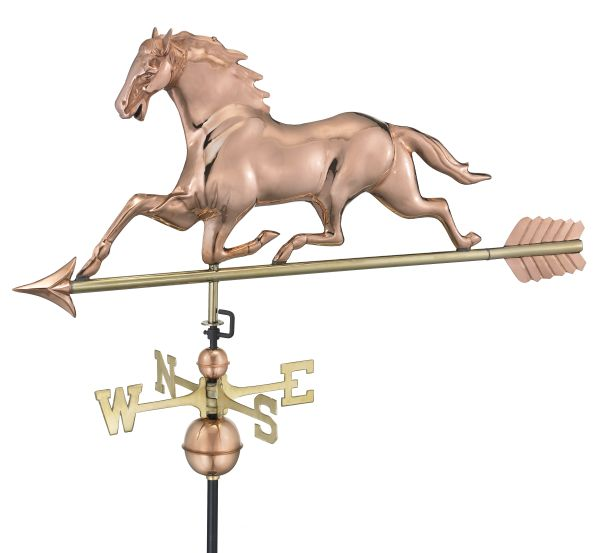
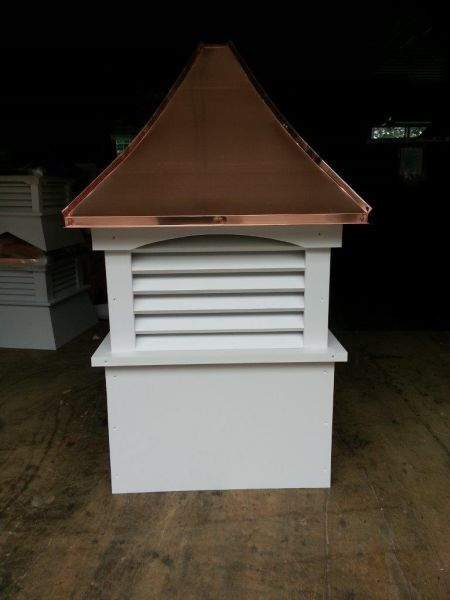
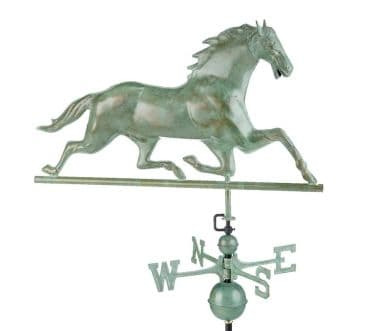
Today’s cupolas are less about function and more about decoration, though they can serve a few purposes. “Lantern” cupolas, for example, still exist today and can be a beautiful design piece for your barn or shed. Cupolas are also a great place to mount a weathervane or finial for a beautiful “farmhouse flair” style.
Adding a cupola to your structure can add aesthetic appeal, set your home apart from your neighbors’, and even increase property values! Want to know more? Begin a conversation with us at Cupolas Direct and learn how our handmade Amish cupolas are a cut above the rest, and why we're the best place to buy a copper cupola. Give us a call at 717-808-5711 or visit our website today to get started!