The History of Finials
Finials: What are they, where did they come from, and why should I want one?
Architectural finials are ornamental decorations used to emphasize the top of a roof, building, monument, or piece of furniture, adding visual interest to a structure or object. They take many shapes and can be made from a variety of materials, including stone, metal, and glass. Finials can be spotted on everything from homes and barns to more monumental architecture, adorning religious structures and state buildings. Finials are also a popular choice to decorate the tops of flagpoles.
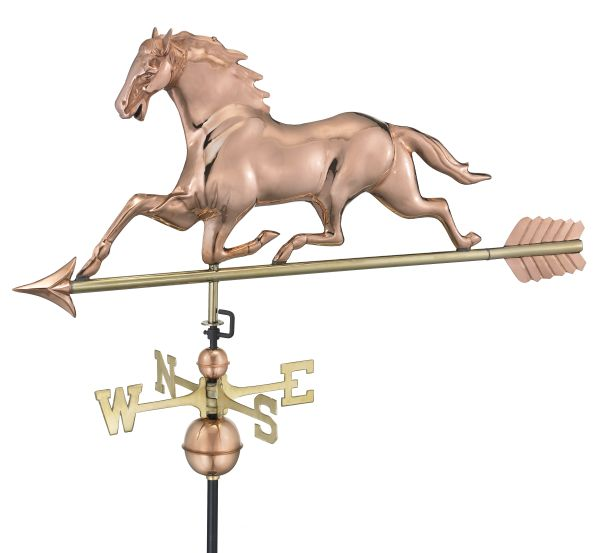
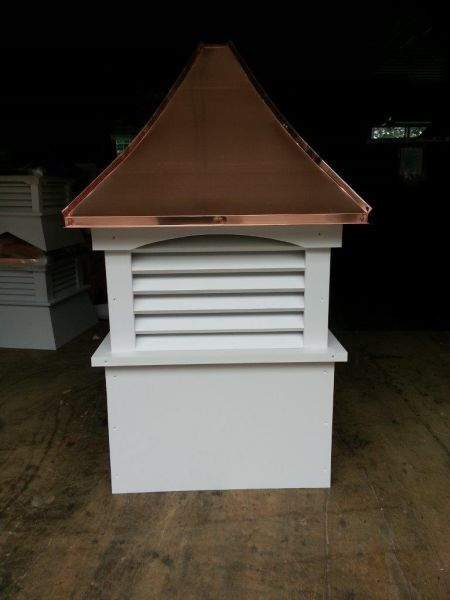
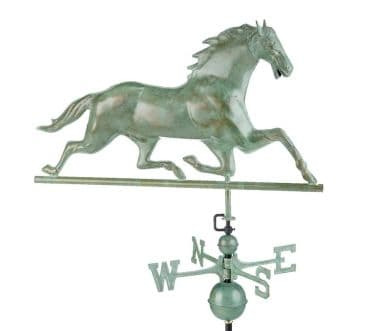
Some finials, such as weathervanes and lightning rods, serve other functions besides being decorative. Finials are a useful addition to the tops of cupolas, gates, and fence tops, adding a decorative and functional touch to each.
While their purpose may vary depending on their location, finials lend an extra touch of elegance to a structure. Considering adding a finial to your home or building? Read on to learn the history of this popular architectural feature!

The History of Finials

As a decorative element, the finial can be traced back to ancient Greece and Rome. The root of the word "finial" is the Latin word finis, which means "end." This makes sense because finials are typically installed at the top of a structure, protruding further where the building “ends.”
Early Asian cultures also used decorative stone finials to top their heavily ornamented pagodas, the shape of these finial pinnacles often exhibiting Buddhist themes. The Japanese also used finials to crest their architecture, taking fanciful forms and usually cast from iron and copper. In Japanese architecture, “chigi” are finials used to top Shinto shrines, castles, and the imperial palace.
Decorative roof finials are a common feature of Malaysian religious and residential architecture, made from mixed concrete or wood. Indonesian rooftop finials are known as “mustaka.” Finials have long been historically used on domestic and religious buildings in Thailand and Burma. Hindu temples often use finials known as the “kalash,” situated on top of a dome roof.
With the rise of Gothic Architecture during the European Renaissance, western architecture saw an explosion of finial usage across buildings of all types. Gothic finials often included ornamental figures such as gargoyles, dragons, and other mythical creatures.
This trend lasted well into the Victorian age, where a renewed interest in Gothic design caused a resurgence in finial installation. Victorian finials were a curious mixture of plain designs (ball, rod, spike) with more ornate metalwork, sometimes incorporating fanciful designs with a heraldic or floral motif.
Meanwhile, finials had long since accompanied various exploratory excursions across the Atlantic and were soon in full use throughout the Americas, installed by explorers and architects on the new buildings of the New World. These simple early colonial nods at decoration would grow more intricate with time, eventually evolving into common decorative elements to adorn a variety of American domestic architectural styles, including French colonial, Georgian, Victorian, and Romanesque Revival.
Finials Today
Today, roof finials remain popular in North America as people enjoy them as an elegant addition to their homes, barns, shops, offices, and garage tops. The long history of these delightful decorations is just one reason why we’re pleased to continue that tradition by offering beautiful finials to accent the buildings of our customers.
Don't hesitate to ask us about the finials we supply and the options we offer. We would be happy to help you choose the perfect addition to your roof or cupola!